My Art Portfolio
A collection of pieces from my art class journey


The Art Practices course teaches the basics of the art-making process by exploring light, color, frame, and boundary. The goal of this class is to foster students' creativity by setting limits on what they can create and having a specific focus for each art project.
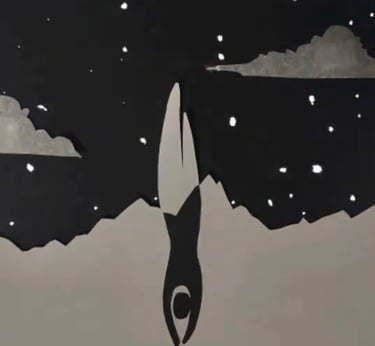
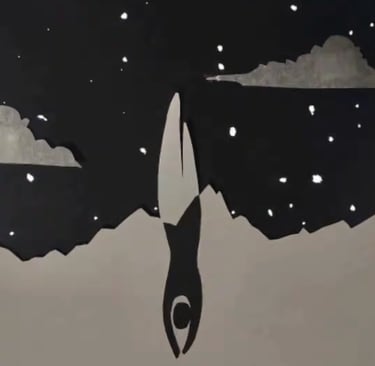
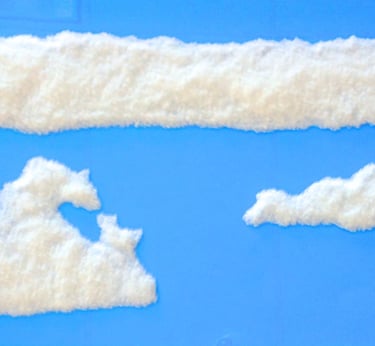
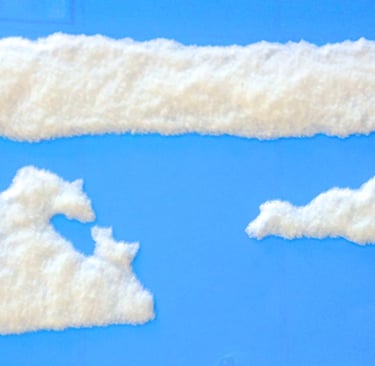
The first project consists of creating a black-and-white, stop-motion video to explore the dynamics of light and shadow.
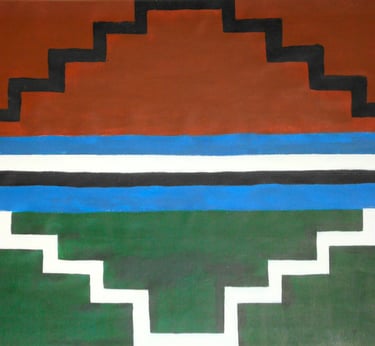
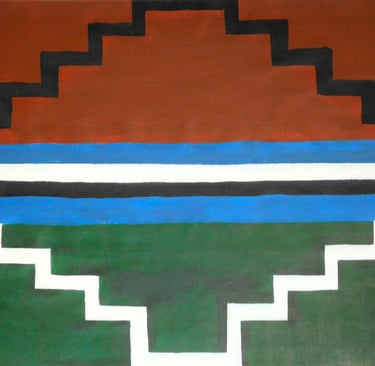
The second project consists of painting a flag about a fictional utopian country to experiment with light and color.
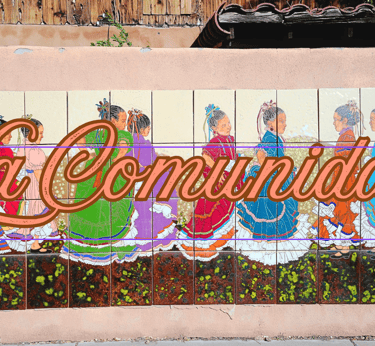
The third project consists of collecting data for an art map to explore the connection between frame and space.
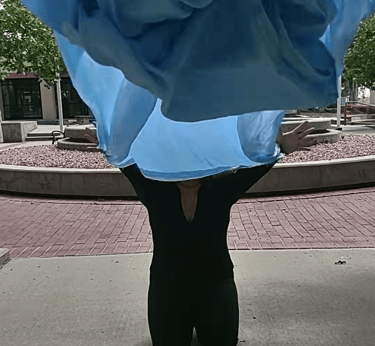
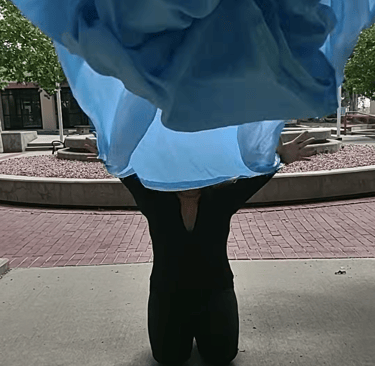
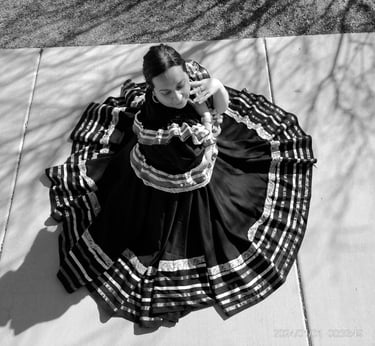
The fourth project consists of performing an "extension" of your body to expand the boundaries of the frame.
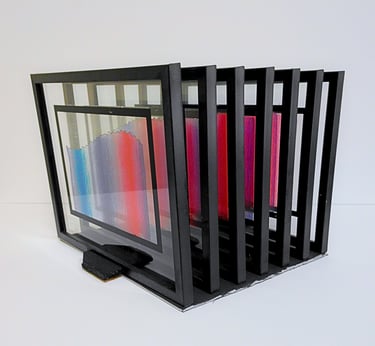
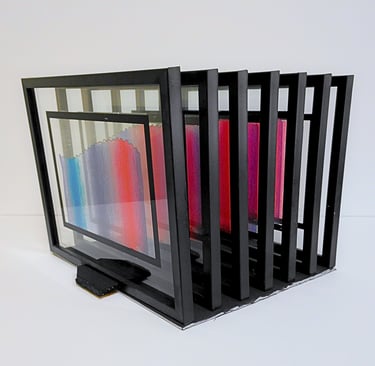
The fifth project consists of exploring ephemeral art to observe a piece that leaves a mark or trace.
Portfolio Statement
I really enjoyed taking Art Practices I. In this class, you get to have a hands-on experience in the creative process of making art. Is like you get to see, on first view, the behind-the-scenes of being an artist. Each step in creating each art project serves to ignite the inspiration, idea, and expression. From learning how to talk and analyze different artists who had done something similar, to practicing a bit of art theory, and applying that knowledge into sketches and drafts, to seeing them become alive was a really gratifying experience that helped me expand my mindset about what it takes to become an artist. Being an artist is more than your finished piece; it is also about the hidden iceberg that no one gets to see. A deeper relationship between the artist and the art. I don’t necessarily mean deep as in becoming a deeper person; what I actually mean is having an intimate relationship with how you create things to ultimately express yourself more clearly as an artist. That deeper understanding of your own work, being more present with it, is a truly amazing experience that creates more confidence in your own creative mind. There’s no better way to learn than to just do the thing, with a little bit of guidance and motivation, of course.
One of the major lessons I learned in this class was what my professor said about creativity: “Creativity thrives in constraint”. I absolutely agree with my teacher’s statement. In this class, the “constraints” serve to guide your artwork to become its best self. Like when we did the black and white stop motion animation, its purpose was to teach us how to work with the limitation of color, to better understand the relationship between light and shadow. Having no color to work with makes you focus on the details, dimensions of objects in correlation with the space and surroundings, to make the perfect illusion that those objects have “real” dimensions, like in real life. Another lesson from this stop motion is that very same experimentation with paper, to make it seem alive and like it's moving. Being an artist is like being a “magician”, another thing my teacher said, and it is true. Artists make magic, and with this project, we were able to become one for a while.
Making mistakes also helps you learn a lot, too. Having critique days to learn from a different perspective and to see how others see your artwork can also help you see something that you missed. Like with my last project about making ephemeral art, I had difficulties shooting it in a way that the recording phone wouldn't show in the reflection of the plastic screen. Learning from another classmate who had more experience in film, I learned that there are techniques you can use with lighting so that the phone or camera doesn’t show. All students who come to an art class have different techniques, experiences, and talents that you don’t have, and I loved learning from their knowledge.
I would and have already recommended this class to people. It is a class where you would really learn to do art. In my opinion, classes that are more tactile rather than theoretical have more opportunities, as they allow the student to learn from mistakes and leave room for experimentation. It also expanded my mind on how to approach art, that it is okay to be messy, ugly, weird in the art-making process, and not to be afraid to try. I will definitely incorporate these lessons in my artist journey.